
Eric Swanson Prioritizes Hesperia Students and Stronger Schools
Strong schools are built one decision at a time. For families in Hesperia, those decisions show up in real ways: safer campuses, manageable class sizes, responsible budgets, and students who feel prepared for what comes next.
Eric Swanson serves on the Hesperia Unified School District Governing Board with a focus on keeping students at the center of that work. His family has called Hesperia home for more than 33 years, and that long connection shapes how he views local education. For Swanson, school board service is not distant policy work. It is a responsibility tied to classrooms, neighborhoods, teachers, parents, and the future of the community.
His priorities reflect a practical view of what schools need to do well. Students need safe places to learn. Teachers need the conditions to give students attention. Families need to trust that leaders listen. Taxpayers need to know public dollars are being handled with care.

Student needs guide the decisions
Putting students first can sound simple, but it requires discipline. Every board decision carries tradeoffs. Budgets, staffing, facilities, programs, and policies all shape the student experience.
Swanson’s approach centers on asking how decisions affect students in real classrooms. Will this improve safety? Will it support learning? Will it help teachers give students more attention? Will it prepare students for life beyond graduation?
That student-centered focus matters because school districts face ongoing pressure from many directions. Families want strong academics and safe campuses. Educators need support and resources. Communities expect fiscal responsibility. Board members must weigh these needs while staying focused on the district’s core mission.
For Swanson, that mission begins with opportunity. Schools should help students build the knowledge, habits, and confidence they need to succeed, whether they plan to attend college, enter a trade, serve in the military, start a career, or take another path.
A strong school system does more than teach facts. It helps students learn how to communicate clearly, work with others, think critically, and solve problems creatively. Those skills matter in every path students may choose.
Safe schools create the conditions for learning
Students learn best when they feel safe, respected, and supported. That is why safe learning environments are one of Swanson’s stated priorities.
Safety includes more than locked doors or emergency plans. Those things matter, but a safe campus also depends on trust. Students need adults they can turn to. Teachers and staff need clear procedures. Parents need confidence that concerns will be taken seriously.
A safe learning environment includes:
Clear expectations for student behavior
Respectful relationships among students and staff
Responsive communication with families
Well-maintained facilities
Support for students who are struggling
When schools feel orderly and welcoming, teachers can teach and students can focus. That creates a stronger foundation for academic growth.
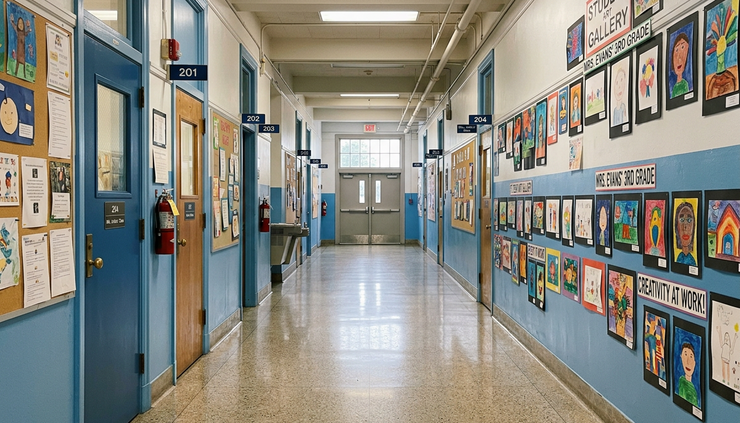
Swanson’s emphasis on safety also connects to community trust. Families want school leaders who take everyday concerns seriously, from campus supervision to the tone of school culture. Listening closely to those concerns helps the district respond before small issues become larger ones.
Smaller class sizes help students get attention
Class size affects the rhythm of a classroom. When educators have fewer students to manage at one time, they can often give more individual attention, notice concerns earlier, and adapt instruction more easily.
Swanson has identified lowering class sizes as a priority because students benefit when teachers have more time to support them. A student who is falling behind may need a few extra minutes of explanation. A student who is ready to move ahead may need a more challenging task. A quieter student may need encouragement to participate.
In a crowded classroom, those needs are harder to meet.
Lowering class sizes is not always simple. It can involve staffing, classroom space, budget limits, and long-term planning. That is why responsible decision-making matters. The goal is not just to name the problem, but to work toward practical solutions that improve learning conditions over time.
Individual attention can change a student’s school experience. It can help a student feel seen, supported, and capable. For many families, that is what strong public education should deliver.
Responsible spending protects the classroom and the taxpayer
Public schools rely on public trust. That trust grows when district leaders treat taxpayer dollars with care.
Swanson’s focus on responsible spending reflects a belief that budgets should support student priorities while respecting the community that funds local schools. Responsible spending does not mean saying no to every cost. It means asking clear questions before commitments are made.
Does this expense support student learning? Is it sustainable? Are there better options? Can the district explain the decision clearly to the public?
School budgets are complex, and many costs are fixed or tied to specific rules. Still, board members play an important role in setting priorities and asking for accountability. Careful oversight helps ensure that limited resources go where they can do the most good.

For families and taxpayers, fiscal responsibility also means transparency. People may not agree on every decision, but they should be able to understand how decisions are made and why they matter.
Listening keeps the community connected
A school board serves best when it stays connected to the people most affected by its decisions. Swanson emphasizes listening to parents, educators, and community members, and remaining accessible to those he serves.
That kind of access matters because good information does not only come from reports. It comes from conversations with teachers who know what is happening in classrooms. It comes from parents who see how policies affect their children at home. It comes from students who can speak to what support feels like in daily school life.
Listening does not mean every request can be granted. District leaders must balance needs, laws, budgets, and long-term goals. But respectful listening can lead to better decisions and stronger trust.
Community involvement also helps schools avoid isolation. When families, educators, local organizations, and board members work in good faith, students benefit. Schools become more than buildings. They become shared community projects.
Swanson also supports respectful cooperation among board members. That matters because school governance works best when leaders can disagree without losing focus. Debate can be healthy when it stays tied to facts, student needs, and the district’s mission.
Preparing students for what comes next
The skills students need extend beyond test scores. Swanson’s focus includes communication, collaboration, critical thinking, and creative thinking. These skills help students succeed in classrooms, workplaces, and civic life.
Communication helps students explain ideas and listen to others. Collaboration teaches them how to work toward shared goals. Critical thinking helps them evaluate information and make sound choices. Creative thinking helps them solve problems in new ways.
Schools that build these habits prepare students for a changing world without losing sight of core academics. Reading, writing, math, science, history, and the arts all play a role. So do career pathways, hands-on learning, and programs that connect school to real-life goals.

This vision of education fits Hesperia’s needs because it respects both academic achievement and practical preparation. Students deserve schools that help them think clearly, work hard, and imagine a future for themselves.
Strong schools do not happen by accident. They require steady attention to safety, class size, spending, communication, and opportunity. Eric Swanson’s work on the Hesperia Unified School District Governing Board reflects that focus: keep students first, listen to the community, and make decisions that strengthen schools for the long term.


